Tribal casinos in the United States, explained
How the Indian Gaming Regulatory Act works, what class II and class III gaming mean, why tribal-state compacts matter and what changes for you as a visitor.
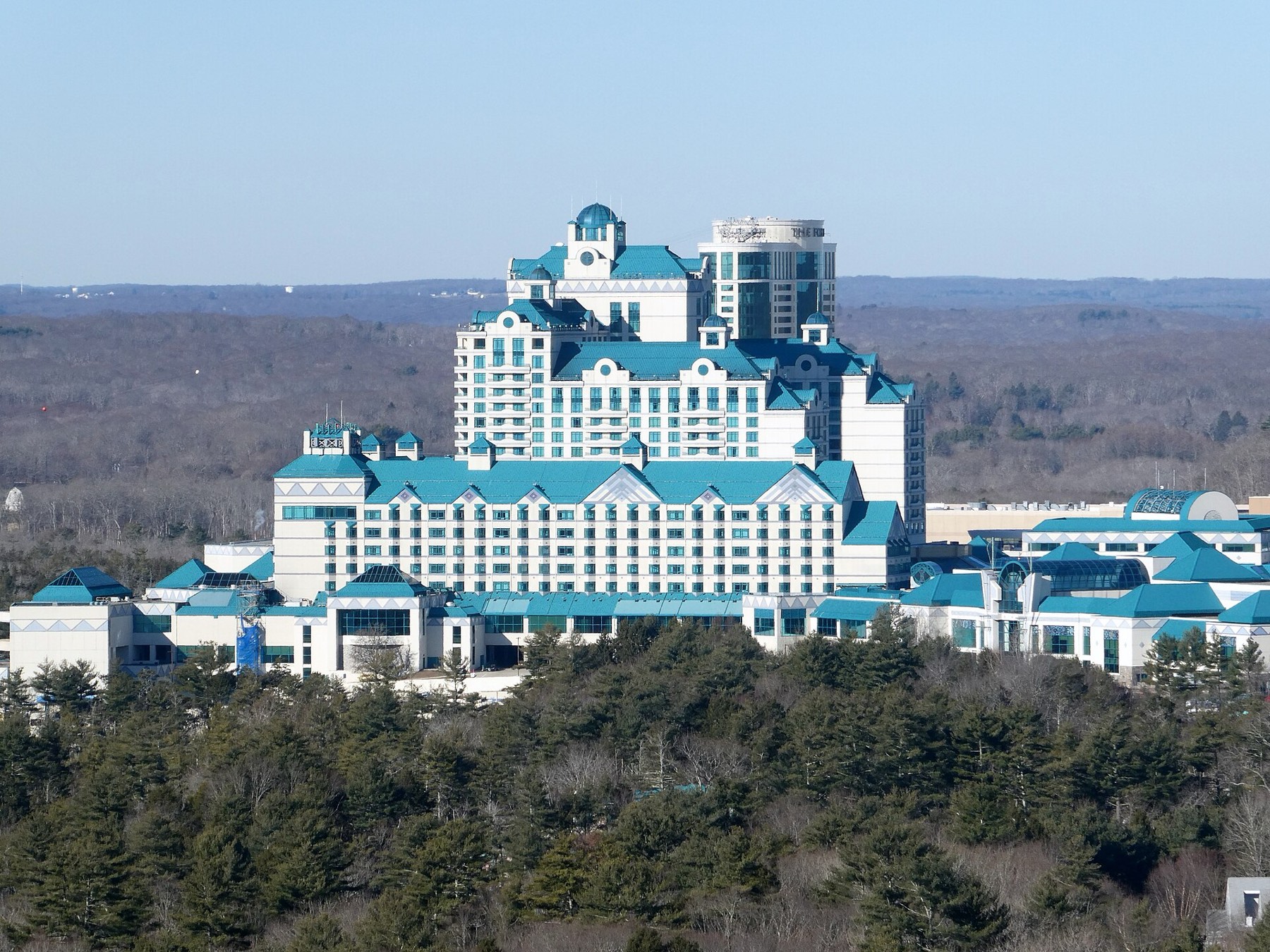
Hundreds of casinos across the United States are owned and run by Native American tribes, and several of the country’s largest casino resorts, including Foxwoods and Turning Stone in our reviews, sit on tribal land. Yet many visitors have only a vague idea of how tribal gaming works, who regulates it and why the rules at one tribal casino can differ from those at another a few hours’ drive away.
This guide explains the legal framework in plain English. It is general information, not legal advice, and details vary tribe by tribe and state by state, so always check the rules at the specific property you plan to visit.
Where tribal gaming came from
Federally recognized tribes are sovereign governments with a unique legal relationship to the United States. In the 1970s and 1980s, a number of tribes opened high-stakes bingo halls, often offering larger prizes than state law allowed elsewhere. States challenged these operations, and the dispute reached the US Supreme Court in California v. Cabazon Band of Mission Indians in 1987. The Court held, in broad terms, that a state which permits a form of gambling generally cannot use its regulatory laws to prohibit tribes from offering it on their own land.
Congress responded the following year with the Indian Gaming Regulatory Act of 1988, usually shortened to IGRA. The law set out to protect tribal gaming as a means of economic development and self-sufficiency while creating a structure for regulation. It still governs tribal gaming today.
Class I, class II and class III gaming
IGRA divides gaming into three classes, and the class of a game determines who regulates it and whether a tribe needs an agreement with its state to offer it.
- Class I covers traditional tribal games and social games played for small prizes. These are regulated solely by the tribe.
- Class II covers bingo, including electronic and technological aids to bingo, pull-tabs and similar games, and non-banked card games (where players compete against each other rather than the house) if state law permits them. Tribes regulate class II gaming with oversight from the National Indian Gaming Commission. No state compact is required.
- Class III is everything else: slot machines in the Las Vegas sense, house-banked table games such as blackjack and roulette, and, in most cases, sports wagering. Class III gaming requires a tribal-state compact, or in limited cases federal procedures, and must be permitted in the state for some purpose.
Why some “slots” are really bingo
In states without a class III compact, or where a compact limits slot machines, many tribal casinos offer class II gaming machines. These look and sound much like conventional slots, with spinning reels and bonus rounds, but the outcome is determined by an underlying electronic bingo game played between several players. The reels are essentially a display of the bingo result.
For a visitor the experience is similar, but it is worth knowing that the mathematics and the regulatory classification are different. Signs or small print on the machine often mention the bingo game. At resorts with full class III compacts, such as those in Connecticut and New York, traditional slot machines are the norm.
Tribal-state compacts
A compact is a negotiated agreement between a tribe and a state, approved by the US Secretary of the Interior, that sets out the terms for class III gaming. Compacts typically cover which games may be offered, standards of play, how regulation and enforcement are shared, and, frequently, payments to the state in exchange for exclusivity or other benefits.
Compacts differ considerably. Some limit the number of machines or tables, some cover sports betting and online gaming, and some set the minimum gambling age. Turning Stone, for example, operates under a Nation–State Compact with New York, while Connecticut’s tribes operate under arrangements that were amended in 2021 to add sports wagering and online gaming. Where a state refuses to negotiate in good faith, federal procedures can in some cases authorize class III gaming instead; Connecticut state law refers to both compacts and federal procedures for this reason.
Who actually regulates a tribal casino
The front-line regulator is almost always the tribe’s own gaming commission, an independent body within the tribal government. Commissions license employees and vendors, run surveillance and inspections, handle player complaints and administer exclusion programs. The Mashantucket Pequot Gaming Commission, which oversees Foxwoods, was among the first of its kind; the Oneida Indian Nation Gaming Commission oversees Turning Stone.
At the federal level, the National Indian Gaming Commission approves tribal gaming ordinances, sets minimum internal control standards and has enforcement powers. States play whatever role their compact assigns, which may include background checks, inspections or joint oversight. If you have a dispute about a game or a payout, the tribal gaming commission is normally the body to contact.
What differs for a visitor
Most of the time, a tribal casino feels much like any other. But because tribes are sovereign and compacts vary, several practical rules can differ from nearby commercial casinos.
- Age rules can vary. Some tribal casinos admit players aged 18, others require 21. Turning Stone’s gaming floor is 18-plus, while Foxwoods is 21-plus for most gaming because Connecticut law ties presence in class III facilities to the drinking age; bingo there is 18-plus. Always check before you travel.
- Smoking policies are set by the tribe. State smoke-free laws generally do not apply on tribal land, so some tribal casinos allow smoking throughout, some have designated sections and some, like Foxwoods, have made their floors smoke-free.
- Alcohol is governed by federal law that generally requires consistency with state liquor laws, so the drinking age remains 21. Some tribes serve alcohol through their own licensing arrangements or through licensed contractors.
- Identification and exclusion are handled by the tribe. Tribal exclusion lists may operate separately from state self-exclusion programs, so a person on one list may need to register separately for another.
- Taxes: large jackpots at tribal casinos are subject to the same federal reporting rules as elsewhere. Consult a tax professional about your own situation.
Responsible gambling at tribal casinos
Tribal casinos generally provide responsible-gambling signage, helpline numbers and voluntary exclusion programs, often in cooperation with state problem-gambling councils. In Connecticut, the Council on Problem Gambling runs a 24-hour helpline at 1-888-789-7777; in New York, the HOPEline is 1-877-8-HOPENY. Nationally, 1-800-GAMBLER connects callers with local help.
The economic role of tribal gaming, which funds tribal government services, health care, education and housing in many communities, does not change the basic mathematics of casino games. Every game on the floor has a built-in house edge, and the only sensible way to play is with money you can afford to lose.
At a glance
| Class | Typical games | Primary regulator | State compact needed? |
|---|---|---|---|
| Class I | Traditional tribal games; social games for minimal prizes | Tribe only | No |
| Class II | Bingo (including electronic aids), pull-tabs, non-banked card games where state law allows | Tribe, with NIGC oversight | No |
| Class III | Slot machines, house-banked table games (blackjack, roulette, craps), most sports wagering | Tribe, NIGC and the state as set by compact | Yes (or federal procedures) |
Simplified summary. Classification of specific games can be complex and is sometimes disputed.
Key takeaways
- IGRA (1988) is the federal law behind tribal gaming.
- Class III gaming such as slots and blackjack requires a tribal-state compact.
- Age limits, smoking policies and exclusion lists can differ from commercial casinos.
- The tribal gaming commission is normally your first point of contact for disputes.
Related guides
Keno explained: the draw, the pay tables and the house edge
How a keno draw works, what spots and catches mean, why pay tables matter and why keno’s house edge is among the highest in any casino.
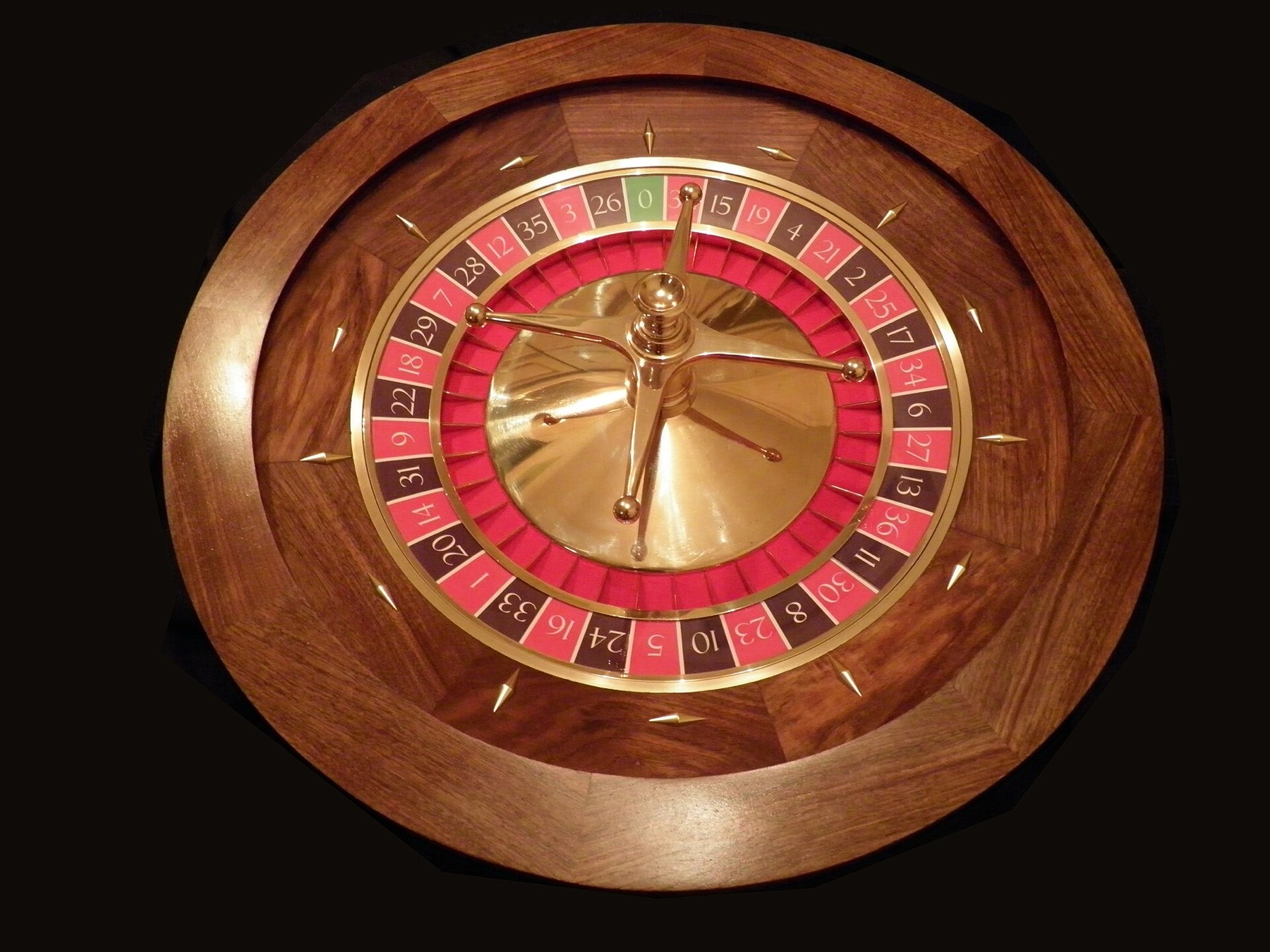
Roulette wheels compared: single-zero, double-zero and triple-zero
European single-zero, American double-zero and the newer triple-zero wheels compared: house edges of 2.70%, 5.26% and 7.69%, and how to tell them apart.
Gambling is entertainment, never income.
Every casino game has a built-in house edge. Set a budget and a time limit before you play, never chase losses, and stop if it stops being fun. Minimum ages depend on the jurisdiction.
- National Problem Gambling Helpline (US)1-800-GAMBLER
- National Council on Problem Gambling (US)ncpgambling.org
- Connecticut Council on Problem Gambling1-888-789-7777
- New York HOPEline1-877-8-HOPENY (1-877-846-7369)
- South Africa National Responsible Gambling Programme0800 006 008