Keno explained: the draw, the pay tables and the house edge
How a keno draw works, what spots and catches mean, why pay tables matter and why keno’s house edge is among the highest in any casino.

Keno is one of the oldest and simplest games in the casino. You pick some numbers, the casino draws twenty, and you are paid according to how many of your picks match. It is relaxed, social and easy to play while eating or chatting, which is why keno boards often hang in casino restaurants and bars.
It is also, by a wide margin, one of the most expensive games to play in terms of the house edge. This guide explains how keno works, how to read a pay table and why the odds are what they are. It does not offer, and no guide can honestly offer, a way to beat the game.
How the draw works
A keno game uses the numbers 1 to 80. For each game, or “race,” the casino draws 20 of those numbers at random. Traditionally this was done with numbered balls blown through a clear bowl, and some casinos still use a ball blower; many now use a certified random number generator. The drawn numbers light up on keno boards around the casino.
Games run continuously, typically every few minutes. Before each draw you mark a ticket with the numbers you want to play and how much you want to wager, and you hand it to a keno writer at the keno lounge counter or, in some casinos, to a keno runner. You receive a printed ticket as your receipt.
Spots, catches and pay tables
Each number you pick is called a spot. A “4-spot” ticket means you have chosen four numbers; many casinos let you play anything from 1 to 10 spots, and some go as high as 15 or 20. Each of your numbers that is drawn is a catch.
The pay table, printed in the keno brochure and on video keno screens, shows what each combination of spots and catches pays for a given stake. A 1-spot ticket usually pays only if you catch your one number. A 10-spot ticket may pay for catching five or more, with a very large prize for catching all ten. Crucially, pay tables are set by each casino and can differ a great deal between properties, and even between the live game and video keno machines in the same building.
Keno pay tables are usually written as “for one” amounts, meaning the payout includes your original stake. A 1-spot that “pays 3 for 1” returns $3 in total on a winning $1 ticket, a profit of $2.
Why the house edge is so high
The easiest way to see keno’s edge is with a 1-spot ticket. Twenty of the eighty numbers are drawn, so the chance that your single number is among them is 20 in 80, or exactly 25 percent. If the casino pays 3 for 1 on a catch, then over many $1 tickets you get back on average $3 × 25% = $0.75. The casino keeps the other 25 cents, a house edge of 25 percent.
That example is typical. Live keno house edges commonly fall somewhere between about 20 and 35 percent depending on the casino and the ticket, and some tickets are worse. For comparison, American double-zero roulette carries a 5.26 percent edge, and basic-strategy blackjack under good rules is well under 1 percent. Video keno machines often, though not always, have somewhat lower edges than the live game, but the pay table on the specific machine is what matters.
Keno’s appeal lies in its big top prizes for small stakes, and those prizes are rare by design. On a 10-spot ticket, the probability of catching all ten numbers is roughly one in nine million.
Straight, way and multi-race tickets
A straight ticket is a single set of spots. Way tickets and combination tickets group your numbers so that one ticket plays several different sets at once; each “way” costs a separate stake, so the cost of the ticket multiplies quickly. Multi-race tickets let you play the same numbers for a sequence of consecutive games without rewriting the ticket.
None of these formats change the underlying edge on each wager. They change how much you are betting per ticket and how many games you are playing, and therefore how much you can expect to lose over an hour.
Keno lounges and keno runners
Many large casinos, including resorts such as Foxwoods, operate a keno lounge: a seating area in front of the keno counter with boards, ticket forms and crayons. Keno runners, where offered, walk through restaurants and bars collecting tickets and wagers and returning with receipts and payouts, which is why keno has long been associated with casino coffee shops.
Two practical rules matter. First, a ticket must be written and accepted before the draw closes; if a runner does not get your ticket to the counter in time, it plays in the next game. Second, winning tickets must usually be collected within a time limit, often before the start of the next game or within a stated period for multi-race tickets. Read the house rules in the keno brochure, and always check your receipt against what you intended to play.
Hot numbers, cold numbers and other myths
Keno boards sometimes show recently drawn numbers, and it is tempting to look for patterns. Each draw is independent. A number that has appeared three times in a row is no more or less likely to appear next time, and a number that has not appeared for a while is not “due.” Patterns on the ticket, lucky numbers and birthday combinations make no difference to the odds.
Similarly, there is no betting progression that overcomes keno’s edge. Increasing your stake after losses simply increases the amount at risk while leaving the edge unchanged.
Keeping keno in proportion
Because games repeat every few minutes, the cost of keno adds up faster than its gentle pace suggests. If you choose to play, treat it as paid entertainment, decide on a budget before you start and stick to it. Multi-race tickets can be a way to limit spending, but only if you do not keep adding more.
If keno or any gambling stops feeling like entertainment, help is free and confidential. In the United States, call 1-800-GAMBLER.
At a glance
| Catch | Probability | About 1 in | Example pay (for 1) | Contribution to return |
|---|---|---|---|---|
| 4 of 4 | 0.31% | 326 | 120 | $0.368 |
| 3 of 4 | 4.32% | 23 | 4 | $0.173 |
| 2 of 4 | 21.26% | 4.7 | 1 | $0.213 |
| 1 of 4 | 43.27% | 2.3 | 0 | $0.000 |
| 0 of 4 | 30.83% | 3.2 | 0 | $0.000 |
Probabilities are exact for 20 numbers drawn from 80. The pay table is a hypothetical example, not any casino’s actual schedule. With these pays, a $1 ticket returns about $0.75 on average: a house edge of roughly 25%.
Key takeaways
- Twenty numbers are drawn from eighty in every game.
- Pay tables differ by casino and between live and video keno.
- House edges commonly run roughly 20–35%, far higher than most table games.
- No pattern or betting system changes the odds.
Related guides

Tribal casinos in the United States, explained
How the Indian Gaming Regulatory Act works, what class II and class III gaming mean, why tribal-state compacts matter and what changes for you as a visitor.
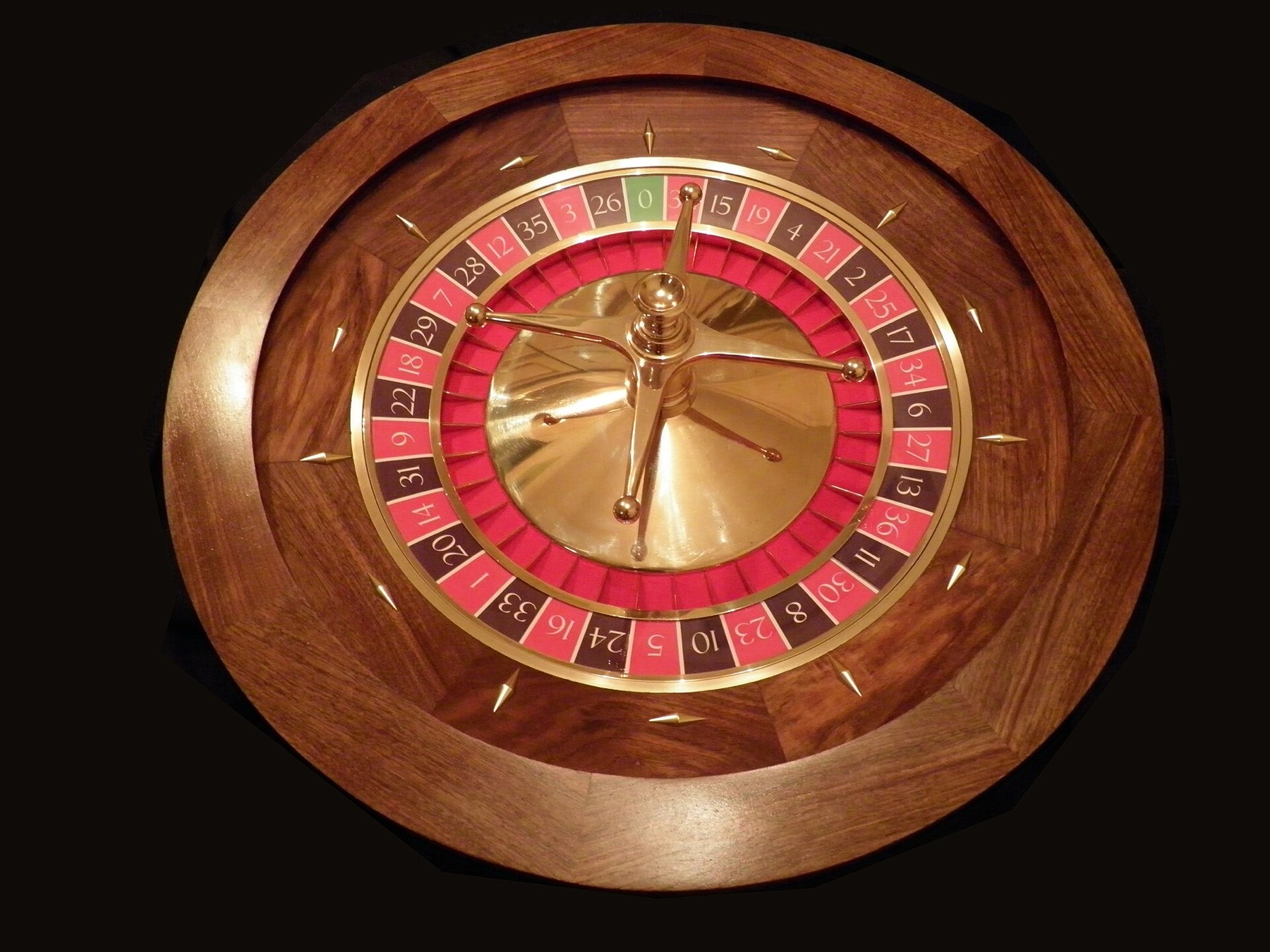
Roulette wheels compared: single-zero, double-zero and triple-zero
European single-zero, American double-zero and the newer triple-zero wheels compared: house edges of 2.70%, 5.26% and 7.69%, and how to tell them apart.
Gambling is entertainment, never income.
Every casino game has a built-in house edge. Set a budget and a time limit before you play, never chase losses, and stop if it stops being fun. Minimum ages depend on the jurisdiction.
- National Problem Gambling Helpline (US)1-800-GAMBLER
- National Council on Problem Gambling (US)ncpgambling.org
- Connecticut Council on Problem Gambling1-888-789-7777
- New York HOPEline1-877-8-HOPENY (1-877-846-7369)
- South Africa National Responsible Gambling Programme0800 006 008